
Scented Candles Guide: Wax Melts and Home Fragrance
An independent editorial guide to scented candles, wax melts and warmers: no shop, no prices, just tested instructions and honest selection criteria.
Wax melts and scented candles are the quickest way to change how a room feels without changing the room itself: a small flame, some wax and a well-chosen fragrance do more than most decor. Scent is also the main reason people buy: in consumer research collected by the National Candle Association, about three in four candle buyers call fragrance "extremely important" or "very important", and an estimated 75 to 80 percent of candles sold in the US are scented.
This guide exists to help you choose with concrete criteria: how a scented candle actually releases fragrance, how wax melts differ from classic candles, which scent suits a kitchen and which one works in a bedroom. We are an independent editorial project: nothing is sold here, you will find no prices, carts or sponsored brands, only explanations you can check against the sources named in the text.
What this guide covers
The main pages follow the three questions most people ask first. The technical one: how candles, wax melts and warmers work, why melt wax never burns away and what the wick really does. The scent one: the Fragrances section describes the families most used at home, from fruity pomegranate to soft white musk, with practical notes on rooms and seasons. The equipment one: the Products page explains how wax melts, tealight candles and warmers combine, and what to check before getting each piece.
How we use sources
Every number on this site has a named origin. For safety rules and consumer data we cite the National Candle Association, the US industry body; for European requirements we refer to the EN technical standards, such as EN 15493 on fire safety of indoor candles, updated in 2026, and EN 15426:2018 on sooting behaviour. Where a figure cannot be verified, we leave it out. If you spot a mistake, the Contact page is there for exactly that.
A rhythm for the seasons
Home fragrance has a calendar: bright florals like magnolia carry the spring, fresh citrus suits the summer, spiced notes belong to autumn, and warm vanilla bases with oriental accords own the winter. You do not need a big collection: two or three scents in rotation, chosen by season and by room, cover the year better than ten jars opened at random, and they age less, because fragrance oils evaporate even inside the packaging. Rotation has a practical bonus too: your nose never fully habituates to one scent, so each comeback feels as strong as the first evening.
Where to start
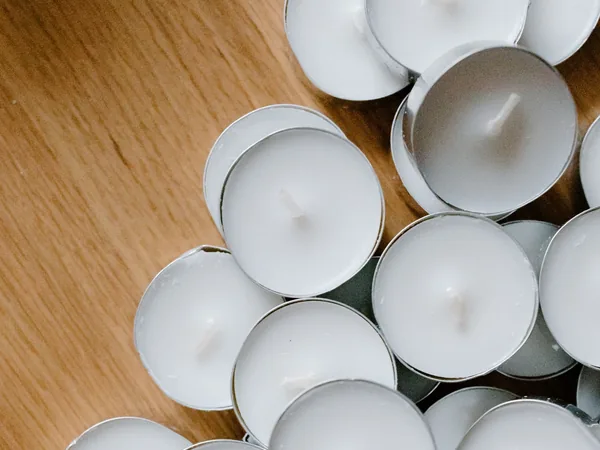
If you are starting from zero, the most useful order is: mechanics first, then fragrance, then equipment. Ten minutes on the How it works page prevents the usual mistakes, like an overlong wick that blackens the ceiling or a "finished" melt thrown away with hours of scent left in it. The fragrance choice comes second, because it depends on the room: citrus holds up well in kitchens, light florals suit living rooms, soft bases like white musk carry an evening without tiring your nose. Equipment comes last: one ceramic warmer and a supply of plain white tealights are enough to use any wax melt, and the products page explains why it pays to keep them separate from scented candles proper.

How it works
How candles, wax melts and burners actually work, step by step.

Fragrances
Home fragrance families: how to pick the right scent for each room.
Products
Wax melts, tealights and warmers: what you really need and how they combine.

Contact
Write to the editorial team: corrections, questions and tips are welcome.