Home Fragrance: A Guide to Scented Candles and Wax Melts
Choosing a home fragrance gets easier once you stop thinking in product names and start thinking in scent families: citrus, fruity, floral, gourmand, oriental and musky. Each family has rooms and seasons where it performs best, and once the logic is clear you can swap any scent for a close relative without surprises. Below you will find the map of the families, the criteria for matching them to rooms, and the eight classic fragrances of the Italian wax melt tradition described one by one.
Fragrance comes first, and that is measured, not guessed
It is not just you giving your nose too much weight: in National Candle Association consumer data, fragrance is the number one purchase factor, rated "extremely important" or "very important" by about three in four buyers, and the US market carries more than 10,000 scents. The same source records where candles actually get used: living room 42%, kitchen 18%, bedroom 13%. Three rooms with opposite needs, which is why a single scent for the whole home rarely works.
Matching the family to the room
| Room | Families that fit | Why |
|---|---|---|
| Kitchen | Citrus (orange), fresh fruity | They clear cooking smells without clashing with food |
| Living room | Bright florals (magnolia), red fruits (pomegranate) | They carry large spaces and guests: recognisable but not intrusive |
| Bedroom | Musky (white musk), powdery (violet) | Soft, low-intensity bases that do not disturb sleep |
| Bathroom | Musky, citrus | A natural match with cleanliness; small volumes need small doses |
| Home office | Light citrus, green notes | Fresh notes you get used to without losing focus |
| Winter evenings | Gourmand (black vanilla, home sweet home), spicy orientals | Warm, enveloping notes made for low light and closed rooms |
The rule that cuts across all of it is dosage: in a small room a full gourmand melt saturates the air quickly, while the same melt disperses in an open living room. Start with half a dose and add, rather than airing the room out later.
Strength, staying power and how to judge them
The perceived strength of a fragrance is judged hot, not on the first sniff of a closed product. The candle-making school CandleScience separates "cold throw", the scent of the unlit product, from "hot throw", the scent released in use, and evaluates the latter after 2 to 4 hours of burning: that is where a fragrance shows its real character. Fresh top notes appear at once and fade first; musky and vanilla bases emerge with heat and linger after the flame is out.
A quick checklist before adopting a scent permanently:
- test it in the room it is meant for, not in a shop or hallway;
- judge it after at least two hours of diffusion with the windows closed;
- leave the room for ten minutes and come back: a habituated nose lies;
- check it does not fight the room's fixed smells (cooking, wood, textiles);
- in a bedroom, pick half the strength that feels right.
The eight classic fragrances
The cards below describe the eight historic scents of the Italian wax melt tradition, from fruity pomegranate to powdery violet. They are scent descriptions, not products for sale: use them as a reference for placing any fragrance you meet into its family. The most versatile of the eight, white musk, has its own full guide.
The most common fragrance families

Pomegranate
Red fruity note: open fruit and seeds, fresh with a slightly tart edge.
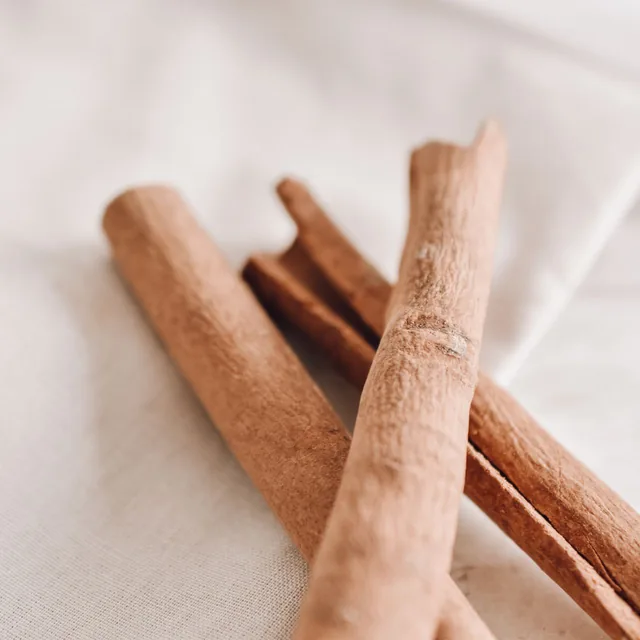
Home Sweet Home
Cosy gourmand accord: baking spices, cinnamon and sweet homely notes.

Orange
Sunny citrus: orange peel with a sparkling feel that lifts a kitchen.

Magnolia
Clean, luminous floral: fresh petals, suited to living rooms and hallways.

White Musk
Soft, powdery base with a clean-laundry feel: the full guide is on this page.
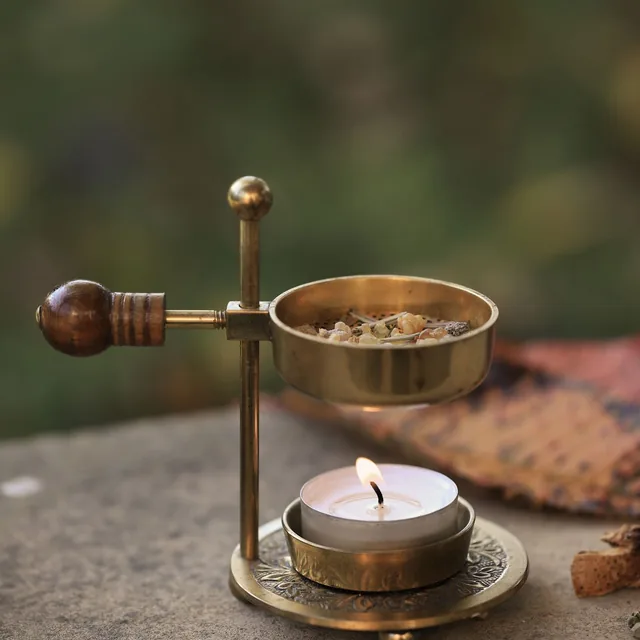
Oriental Nights
Spicy oriental: resins and warm spices for evenings and cold months.

Black Vanilla
Dark, creamy vanilla: dense sweetness, best dosed in small rooms.

Violet
Powdery retro floral: violet with green notes, discreet in bedrooms.